Global Conflicts Push Up Farm Costs, Threatening Higher Grocery Prices for Australians
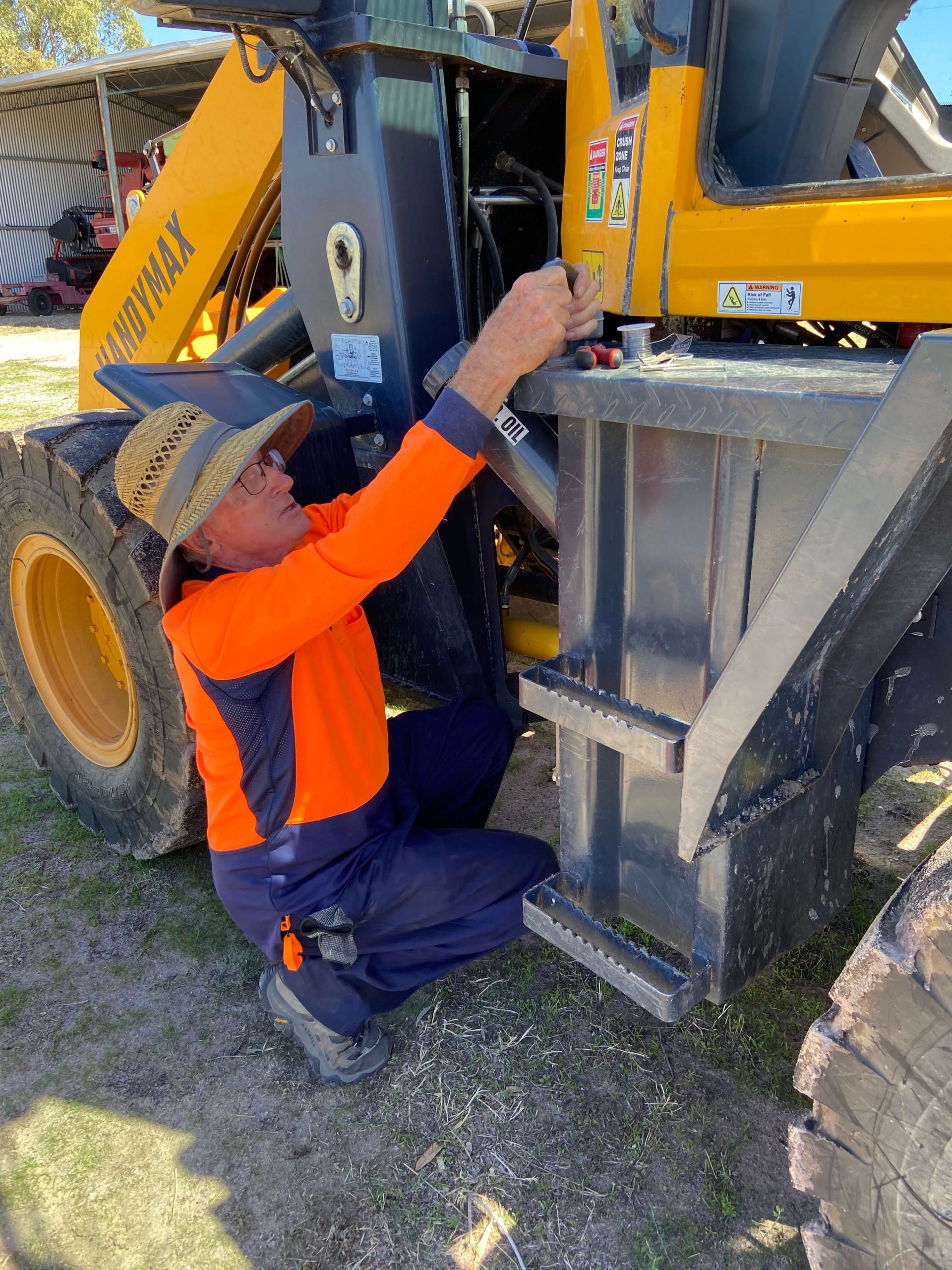
Australian farmers are experiencing renewed cost and supply pressures as global events, most notably the war in Iran, continue to affect prices and availability of essential farming inputs such as diesel fuel and fertiliser.
Recent developments in the Middle East have disrupted vital shipping routes and heightened volatility in international markets, contributing to rising fuel and agricultural input costs that flow through to farming operations across rural Australia.
Farmers are worried about securing fertiliser in time for sowing, and with fuel shortages already emerging, there’s growing concern about keeping essential farm operations running,” said John Warlter, Chief Executive Officer of Rural Aid.
Diesel: Prices High, Supplies Tight
Diesel is indispensable for modern farming, powering tractors, harvesters, irrigation systems and freight. Farmers are reporting that in several regions the availability of diesel, particularly bulk supply for farm use is constrained, creating operational challenges during critical seasonal periods. Elevated global crude prices, driven by the closure of the Strait of Hormuz, are contributing to ongoing price pressures at the pump and at bulk supply points.
“Diesel is the lifeblood of farm operations. Without reliable supply and predictable prices, sowing and harvest become much harder to plan and manage,” said Mr Warlters.
Fertiliser Costs & Supply Risks
Australia relies heavily on imported fertiliser, including nitrogen and phosphate-based products. Without sufficient fertiliser, crop yields can decline, reducing production and adding further pressure to food supply and grocery prices. Global disruptions linked to the wars in Iran and Ukraine – including reduced output and shipping delays through major transit routes – are tightening supply and putting upward pressure on prices. The Middle East is a key supplier of fertiliser, exporting around 45 per cent of global supply. Disruptions to production and shipping routes are driving renewed volatility in global fertiliser markets, increasing costs for farmers who rely on imported supply.
“Fertiliser is a key input for cropping and pasture growth. When prices push higher and deliveries become uncertain, it directly affects farm budgets and the decisions growers must make for the season ahead,” Mr Warlters said.
The Local Impact of Global Conflicts
Global conflicts are continuing to push up the cost of producing food in Australia. The ongoing war between Russia and Ukraine, two of the world’s largest fertiliser producers, has already driven prices higher, and now, with the added pressure of the war against Iran, diesel and fertiliser costs have surged sharply, placing further strain on farmers across the country. Rising fuel and fertiliser costs directly increase the cost of producing food and fibre, and these pressures ripple through the supply chain – from planting and harvesting to transport and processing – ultimately contributing to higher grocery prices for Australian households and adding pressure to household budgets.
“Rising diesel and fertiliser costs increase the cost of producing food, and those higher costs will flow through to grocery prices for Australian households,” said Mr Warlters.
Mental Health & Community Wellbeing
Growing input costs and supply uncertainties place not only financial strain on farming families but also emotional and mental health pressures. Rural communities, already reeling from a harsh summer of disasters, are now experiencing heightened stress and anxiety as they navigate unpredictable costs while planning for seasonal work and managing tight cash flow. Rural Aid continues to emphasise that mental wellbeing is as important as financial resilience. Support services are available to farmers and their families who feel overwhelmed by these compounding pressures.
“Farmers are facing pressures that are largely outside their control – that can be very hard on individuals and families,” said Mr Warlters. “We want farmers to know that support, both practical and emotional, is available.”
Any farmers in need of assistance are encouraged to contact Rural Aid by calling 1300 327 624 or visit www.ruralaid.org.au. Australians who wish to help farming families can make a donation through the website to provide vital support to rural communities through times of adversity.
About Rural Aid:
Rural Aid is Australia’s leading charity supporting farmers, their families and rural communities. We deliver practical assistance during drought, fire, flood and other natural disasters, helping farming families stay on the land and protect their livelihoods. Through disaster relief, mental health support and community development programs, Rural Aid works with partners, supporters and volunteers to strengthen rural communities and ensure farmers have the support they need to recover, rebuild and remain connected.
For media inquiries, please contact:
Daniel Brown
Media and Communications Officer
0447 116 757
daniel.brown@ruralaid.org.au