Rural Communities Hit Hardest as Fuel Prices Continue to Surge

Rural Aid is warning that rural and remote communities across Australia are bearing the brunt of rising fuel prices driven by the escalating Iran War, with serious consequences for cost of living, access to essential services and mental health.

For many in the bush, fuel is not discretionary. Larger diesel vehicles, including 4WDs, utes and trucks are essential for daily life, enabling people to work, transport goods and travel vast distances for basic needs.
 
Rural Aid Chief Executive Officer John Warlters said the current spike in fuel costs is placing significant and unsustainable pressure on rural Australians.
 
“Fuel is the lifeblood of rural communities. When prices surge like this, the impact is immediate and far-reaching,” Mr Warlters said.
 
“People in the city have options. In rural Australia, there is no public transport safety net and no way to simply cut back on travel. You still have to get to work, to school, to the doctor.”
 
Freight costs are also rising, driving up the price of essential goods including groceries, mail delivery, medicine and household supplies in rural towns.
 
“When it costs more to move goods, families in the bush are the ones who feel it most at the checkout,” Mr Warlters said.
 
“We are already seeing the cost of basic necessities climb, and that adds to the financial strain many rural families are experiencing.”
 
Diesel availability has also tightened in some regional areas, creating added uncertainty for farmers, transport operators and small businesses.
 
“In parts of rural Australia, access to diesel has become less predictable. That uncertainty adds another layer of pressure for people already managing rising costs,” he said.
 
The impacts extend well beyond agriculture and freight, with rural tourism and hospitality sectors also under threat as travellers reconsider plans due to fuel costs.
 
“Tourism is a critical part of many rural economies. If caravanners and visitors stay away because they can’t afford the fuel, that loss of income will be felt right across the community,” Mr Warlters said.
 
Adam and Prue Brancher, owners of the Eulo Queen Hotel in Outback Queensland said while rising fuel prices are being felt, rural communities remain resilient and welcoming.
 
“We’ve had a few cancellations as fuel prices have increased, but we’re staying positive and focusing on what we can control,” they said.
 
They said the impact of rising fuel costs is felt most in rural communities, where travel is essential.
 
“People out here travel big distances to be part of their community, and that’s not something you can just stop because fuel gets expensive,” they said.
 
Despite the challenges, they encouraged Australians to continue visiting rural communities.
 
“We’ll always welcome travellers. Take your time, slow down and spend more time in each town,” they said.
 
“Tourists bring more than money – they bring optimism and community spirit, and that makes a real difference.”
 
Rural Aid is also raising concerns about growing isolation in rural communities, as families cut back on travel to manage rising costs.
 
“We are hearing from people who are already reconsidering trips to see family, attend community and sporting events or even pick their children up from boarding school for the holidays,” Mr Warlters said.
 
“That kind of enforced isolation has real consequences. Community connection is vital in the bush, and when people start missing out, it takes a toll.”
 
Rural Aid’s Pulse of the Paddock survey found 94 per cent of farmers identified their community as critical to accessing services, yet 38 per cent already face barriers in accessing those services for themselves and their families. With travel costs increasing sharply, that figure is expected to rise significantly.
 
“Travel is often the biggest barrier to accessing support in rural Australia. As fuel prices climb, that barrier becomes even harder to overcome,” Mr Warlters said.
 
Rural Aid said the mental health implications of reduced mobility and increased financial stress cannot be overlooked.
 
“Rural Australians are incredibly strong, but they are under enormous pressure. Rising fuel and input costs, including fertiliser, are adding to existing stress on farming businesses,” Mr Warlters said.
 
“When people can’t afford to travel for medical appointments, social and sporting events or even a short break, it compounds that stress and increases the risk of poor mental health outcomes.”
 
“This is not just a cost-of-living issue. It’s about wellbeing, connection and the long-term sustainability of rural communities.”
 
Mr Warlters said targeted support is needed to ensure rural and remote Australians are not left behind.
 
“These communities are the backbone of this country, yet they are disproportionately impacted by global events like this,” he said.
 
“We need to make sure rural Australians are supported through this period and that their unique challenges are recognised.”
 
Rural Aid is encouraging anyone in need of support to reach out.
 
“We want rural Australians to know they are not alone. Rural Aid is here to help, whether that’s through financial assistance or access to free, confidential counselling services,” Mr Warlters said.
 
“If rising costs and isolation are starting to take a toll, we urge people to get in touch. Early support can make a real difference.”
 
For support, contact Rural Aid on 1300 327 624 or visit www.ruralaid.org.au.

About Rural Aid:
Rural Aid is Australia’s leading charity supporting farmers, their families and rural communities. We deliver practical assistance during drought, fire, flood and other disasters, helping farming families stay on the land and protect their livelihoods. Through disaster relief, mental health support and community development programs, Rural Aid works with partners, supporters and volunteers to strengthen rural communities and ensure farmers have the support they need to recover, rebuild and remain connected.

For media inquiries, please contact:
Daniel Brown
Media and Communications Officer
0447 116 757
daniel.brown@ruralaid.org.au
Transport, Fertiliser and Fuel Costs Continue to Climb as Pressure Builds on Farmers

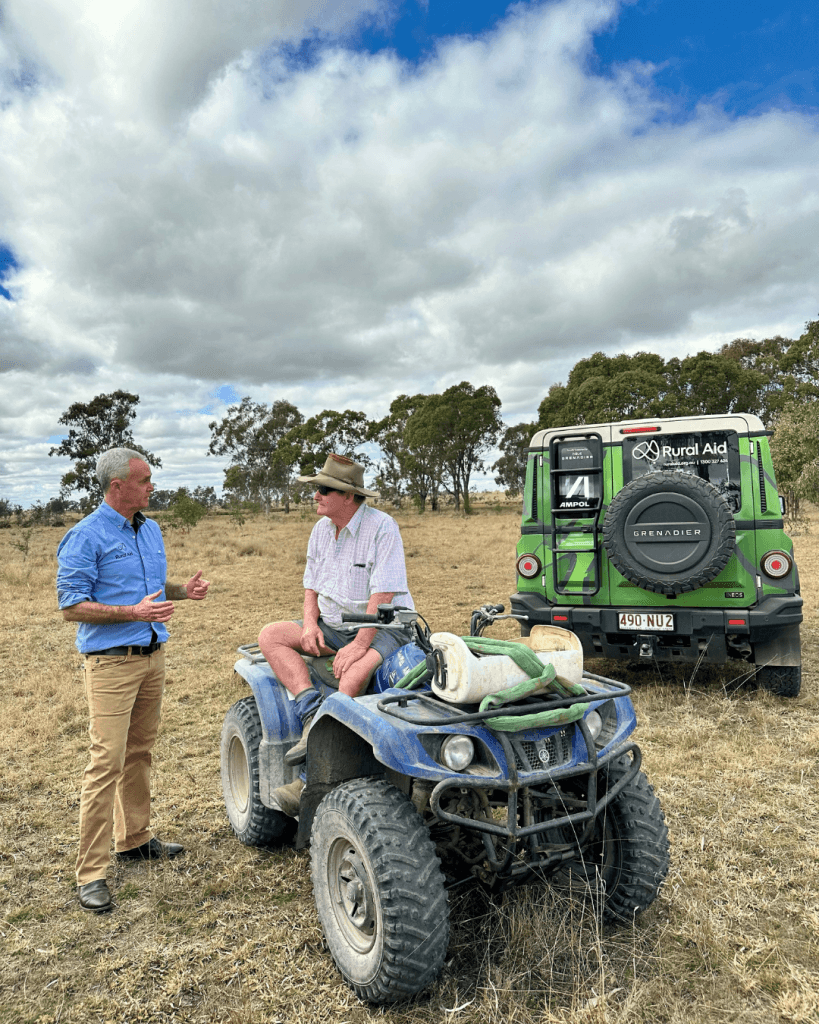
Photo by ABC News
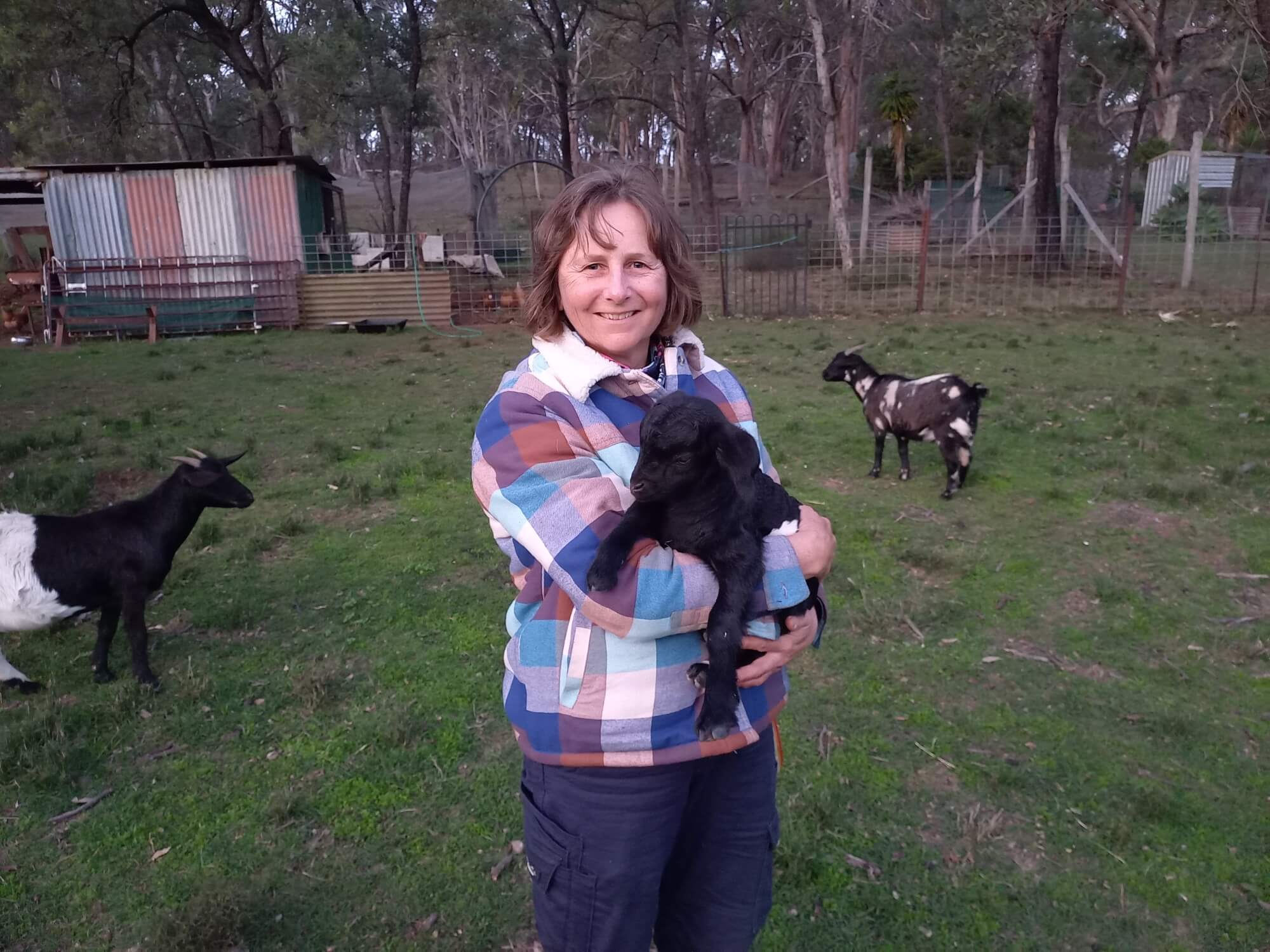
Photo by ABC News

Rural Aid is warning that pressures on Australian farmers are intensifying, with rising fuel, fertiliser and freight costs continuing to escalate as global disruptions persist.

Rising input costs are increasingly affecting day-to-day farm operations. As harvest activity ramps up across multiple regions and preparations begin for upcoming sowing, higher diesel prices and supply constraints are increasing the cost of running machinery and bringing crops in. Diesel prices have risen sharply in recent days, increasing by 30 to 40 cents per litre in the past week alone. In some regional areas, prices have surged past $3 per litre, with further increases expected as global supply remains tight.
 
In addition to rising prices, fuel availability remains a major concern, with supply constraints emerging in some regional areas and adding further pressure during critical seasonal periods.
 
At the same time, higher fuel prices are driving up transport and freight costs, making it more expensive to move agricultural goods from farm to processor, port and market.
 
“When the cost of diesel rises, it impacts every stage of the supply chain – from operating machinery on farm through to transporting goods to market,” said John Warlters, Chief Executive Officer of Rural Aid.
 
“We’re hearing from farmers who are increasingly worried about how they’ll manage these rising fuel costs,” Mr Warlters said. “Harvesters can burn through hundreds of litres of diesel each day, and sustained price increases at this level are simply not sustainable for farming businesses.”
 
Fertiliser costs are also climbing ahead of the winter sowing season, with urea – a key nitrogen fertiliser – experiencing sharp price increases. Prices have surged from around $870 per tonne in late February to more than $1,200 per tonne in recent weeks, with some areas already reporting levels as high as $1,600 per tonne.
 
Australia relies heavily on imported fertiliser, particularly urea, with more than 90 per cent sourced from overseas, much of it moving through the Strait of Hormuz. Disruptions to this critical shipping route are adding further volatility to already elevated prices.
 
Without adequate fertiliser, crop yields can decline significantly, reducing farm productivity and the volume of food and fibre produced.
 
“Farmers are worried about securing fertiliser in time for sowing, and with fuel shortages already emerging, there’s growing concern about keeping essential farm operations running,” Mr Warlters said.
 
“Australia relies on stable global supply chains, and disruptions to major shipping routes create real challenges for farmers.”
 
These combined pressures are increasing the cost of producing and delivering Australian agricultural products at every stage of the supply chain, with impacts likely to be felt across both farming businesses and Australian households.
 
“All of this uncertainty is taking a toll on farming families,” Mr Warlters said. “When costs are rising this quickly and so much is outside your control, it creates real stress and makes it harder to plan ahead.”
 
Farmers in need of assistance are encouraged to contact Rural Aid by calling 1300 327 624 or visiting www.ruralaid.org.au. Australians who wish to support farming families can make a donation through the website to provide vital support to communities doing it tough.

About Rural Aid:
Rural Aid is Australia’s leading charity supporting farmers, their families and rural communities. We deliver practical assistance during drought, fire, flood and other disasters, helping farming families stay on the land and protect their livelihoods. Through disaster relief, mental health support and community development programs, Rural Aid works with partners, supporters and volunteers to strengthen rural communities and ensure farmers have the support they need to recover, rebuild and remain connected.

For media inquiries, please contact:
Daniel Brown
Media and Communications Officer
0447 116 757
daniel.brown@ruralaid.org.au
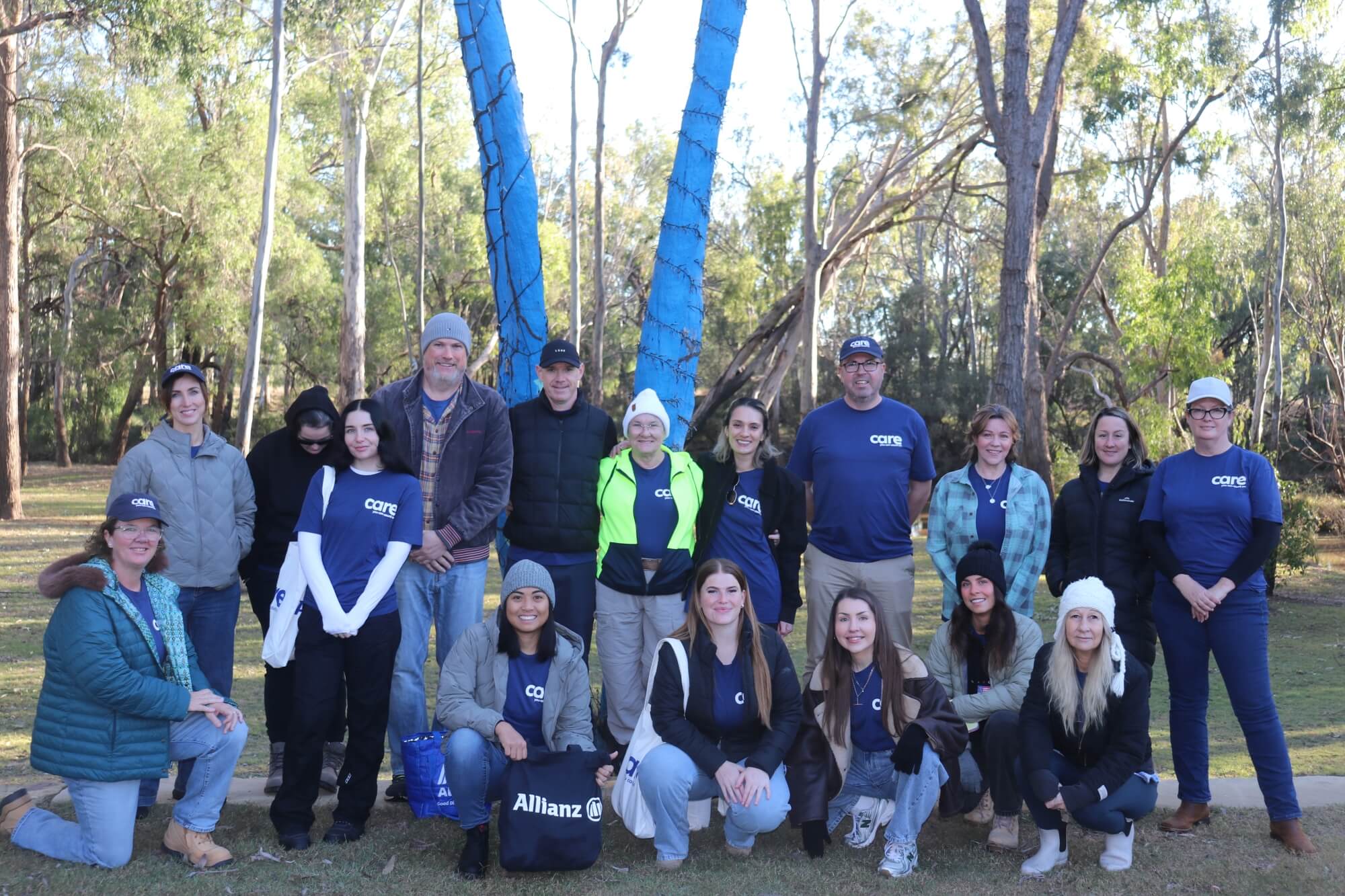
Disasters Leave a Long Shadow: Rural Aid Stands Shoulder to Shoulder with Farmers

For farmers and rural communities, the impacts of disasters do not end when the floodwaters recede or the fires are extinguished. The recent summer of cyclones, floods, and fires has left many communities struggling to rebuild homes, repair infrastructure, and restore livelihoods, all while carrying the heavy emotional burden of loss and uncertainty. The long road to recovery can be isolating, exhausting, and overwhelming.

Rural Aid Chief Executive Officer John Warlters said:

“Disasters strike quickly, but the recovery is a long, unforeseen battle that can take months or even years. Farmers face sleepless nights worrying about lost livestock, endless days repairing what nature has destroyed, and the relentless mental strain of pushing through each day to rebuild their farms and protect their families’ futures.”

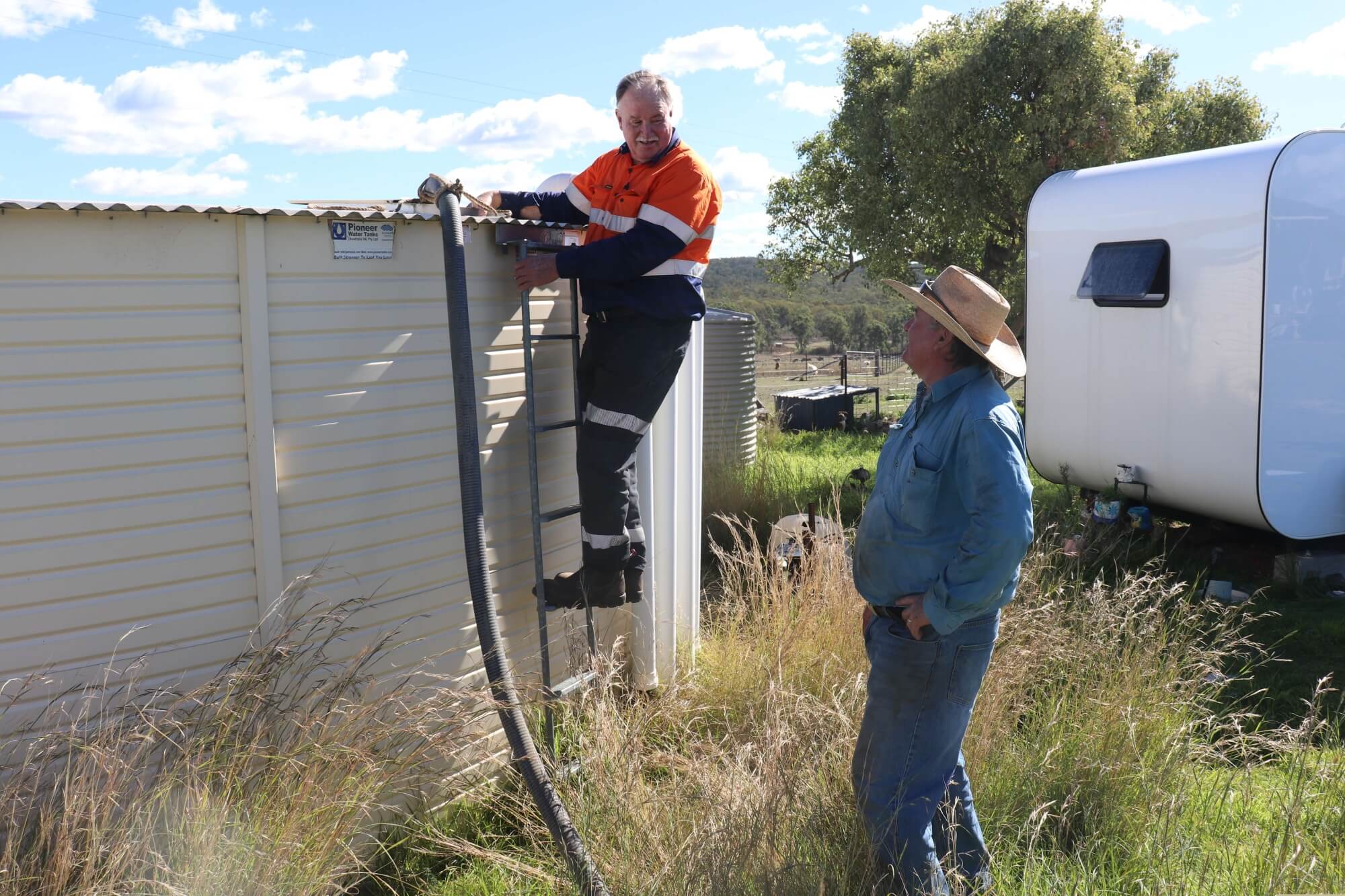
Rural Aid maintains a continued presence in disaster-affected communities, providing long-term support to farmers and rural towns. This includes Farm Recovery Events (FREs), which provide hands-on help to farmers, financial assistance and emergency hay and water deliveries, dedicated counselling to support mental health, and community development initiatives that build resilient, connected communities.

Farmers say this ongoing support makes all the difference. Rob Littlewood, a farmer from Peak Hill who received help through an FRE and water delivery, said: “It’s nice to know there are people out there who understand it’s tough… we definitely appreciate the support from Rural Aid.

This month also marks one year since the devastating Western Queensland floods. Rural Aid continues to support the region with a dedicated counsellor and community-focused recovery programs, helping farmers and towns rebuild connections, strengthen resilience, and manage the ongoing emotional toll. These efforts highlight the organisation’s commitment to standing with communities for the long term.

It is only through donations from the public that Rural Aid can continue providing vital support to farmers and their families. Australians are being urged to support the Together With Farmers: Every Step of the Way appeal, which helps ensure farmers and rural communities receive the ongoing assistance they need long after disasters strike.

This summer saw more than its fair share of challenges – fires, floods, cyclones, and drought – and farmers are now facing added pressure with the rising cost and scarcity of diesel and fertiliser. The impact of disasters only increases the need for fuel, whether it’s running generators, moving livestock, or repairing and maintaining farms, while also trying to recover from the physical and emotional toll of these events.

Donations helps fund counselling, community initiatives, and volunteer FREs, providing practical support and giving farmers the strength to keep going. By supporting the appeal, Australians can help Rural Aid stay alongside farming families throughout the long road of recovery – every step of the way.

Disaster recovery doesn’t end when the news moves on,” Mr Warlters said.

“The Together with Farmers: Every Step of the Way appeal ensures Rural Aid can continue to walk shoulder to shoulder with farmers, giving them the support they need to get back on their feet. Your contribution can make the difference between struggling alone and rebuilding with confidence.”

Australians can donate or learn more at: https://www.everystep.ruralaid.org.au/

About Rural Aid:
Rural Aid is Australia’s leading charity supporting farmers, their families and rural communities. We deliver practical assistance during drought, fire, flood and other disasters, helping farming families stay on the land and protect their livelihoods. Through disaster relief, mental health support and community development programs, Rural Aid works with partners, supporters and volunteers to strengthen rural communities and ensure farmers have the support they need to recover, rebuild and remain connected.

For media inquiries, please contact:
Daniel Brown
Media and Communications Officer
0447 116 757
daniel.brown@ruralaid.org.au
Cyclone Narelle Threatens Already-Flooded Rural Communities Across Australia’s North

Rural Aid is encouraging primary producers across Far North Queensland, the Northern Territory and the Kimberley region of Western Australia to take urgent precautions and seek support as Tropical Cyclone Narelle tracks towards northern Australia.

The developing system is expected to intensify into a category 5 cyclone and bring heavy rainfall, destructive winds and potential flooding – conditions that can have devastating and long-lasting impacts on agricultural operations across the north.
 
Far North Queensland’s agricultural sector, one of Australia’s most significant tropical food bowls, is particularly vulnerable. The region produces a substantial share of the nation’s sugarcane, bananas, mangoes and avocados, alongside a strong seafood industry and large beef grazing operations. Cyclonic conditions can isolate livestock, flatten crops, strip fruit from trees, inundate low-lying cane fields, and disrupt harvesting at critical times in the season.
 
Northern Australia already saturated
 
Across much of northern Australia, producers are already dealing with widespread flooding and early-season cyclone activity, with successive rain events leaving large areas saturated and difficult to access.
 
Rural Aid Chief Executive Officer John Warlters said another significant system could place enormous strain on already stretched operations.
 
“This isn’t a one-off event, many of these producers are already dealing with flood-affected country and limited access,” Mr Warlters said.
 
“Another round of heavy rain and strong winds doesn’t just add to the damage, it compounds it. It increases the risk of stock losses, puts more pressure on infrastructure, and makes an already difficult situation even harder to manage.”
 
Additional rainfall threatens to isolate vast cattle properties for days or even weeks, with flooded paddocks and washed-out roads making it difficult to move livestock, access feed, or bring in essential supplies. Damage to fencing, yards and water infrastructure can further slow recovery, particularly across remote operations where repairs take time.
 
Power and fuel pressures escalate as Cyclone Narelle approaches
 
Power reliability is a critical concern for farming families facing Tropical Cyclone Narelle. Extended outages during the storm can force producers to rely on generators to keep their homes, water pumps, and other essential infrastructure running. With fuel in high demand, expensive, and proving difficult to source in remote areas, maintaining these systems during a disaster has become increasingly challenging.
 
Mr Warlters said the approaching cyclone amplifies these risks.
 
“Even short-term power outages during a cyclone can have serious consequences for livestock and water supplies,” Mr Warlters said.

“With the fuel getting ever more scarce or expensive, running generators becomes not just expensive but difficult to sustain. This makes an already dangerous and stressful situation even harder for producers trying to keep their properties operational and their families and animals safe.”
 
Rural Aid support services for farmers
 
Mr Warlters said Rural Aid is ready to support farmers at every stage of the event and is encouraging anyone at risk or impacted to get in touch early.
 
Rural Aid Chief Executive Officer John Warlters said cyclones can leave a lasting mark on farming communities well beyond the initial impact.
 
“Cyclones don’t just pass through and leave – it’s the aftermath that can be incredibly tough for farmers,” Mr Warlters said.
 
“You’re looking at damaged crops, displaced livestock, destroyed infrastructure and, in many cases, weeks or months of recovery. For many producers, it can be both financially and emotionally overwhelming.”
 
Our message is simple – don’t wait until things get too difficult. If you’re in the path of this system or dealing with the impacts, reach out to us. We’re here to help ease some of that pressure.”
 
Rural Aid provides a range of practical and wellbeing support services for farmers at no cost, including:

  • Financial assistance to help cover urgent or unexpected costs
  • Counselling and mental health support for farmers and their families
  • Emergency hay deliveries to support livestock
  • Water deliveries for essential household use
  • On-ground help through the Farm Army and Farm Recovery Event programs, assisting with clean-up and rebuilding

The organisation is also encouraging Australians to support farming communities likely to be impacted, with donations helping to deliver critical assistance when and where it is needed most.
 
“Farmers in these regions are no strangers to tough conditions, but cyclones of this intensity can push even the strongest operations to their limits,” Mr Warlters said.
 
“Backing them during times like this is essential, not just for those families, but for the future of Australia’s food and fibre supply.”
 
Farmers seeking support can call 1300 327 624 or visit www.ruralaid.org.au. Rural Aid is ready to help.

About Rural Aid:
Rural Aid is Australia’s leading charity supporting farmers, their families and rural communities. We deliver practical assistance during drought, fire, flood and other disasters, helping farming families stay on the land and protect their livelihoods. Through disaster relief, mental health support and community development programs, Rural Aid works with partners, supporters and volunteers to strengthen rural communities and ensure farmers have the support they need to recover, rebuild and remain connected.

For media inquiries, please contact:
Daniel Brown
Media and Communications Officer
0447 116 757
daniel.brown@ruralaid.org.au

Growing Openness, Ongoing Strain: New Rural Aid Survey Reveals State of Farmer Wellbeing

Rural Aid has released the third annual Pulse of the Paddock farmer survey report, offering a candid snapshot of how Australian farmers are navigating mental health, uncertainty and the realities of life on the land.

Based on the experiences of nearly 1,400 farmers surveyed during October and November 2025, the report shows a clear cultural shift. Farmers are increasingly recognising that wellbeing is fundamental to the sustainability of their farms and families. Conversations around mental health are becoming more open, and more farmers say they would reach out for professional support if needed.
 
However, the findings also reveal that more farmers reported a decline in their mental health over the past 12 months than an improvement.
 
The findings show that while conversations about mental health are becoming more common, the underlying pressures facing farming families remain persistent and complex. Financial strain and climate uncertainty are not short-term disruptions – they are structural realities shaping daily life and long-term decision-making on farms across the country.
 
Awareness is growing, but awareness alone does not ease cumulative stress. For many families, the strain is layered and ongoing.
 
Rural Aid Chief Executive Officer John Warlters said the results reflect both progress and sustained pressure across the sector.
 
“We are seeing real change in how farmers talk about mental health. There is greater openness and a stronger willingness to seek support,” Mr Warlters said.
 
“But the pressures they are facing are significant and ongoing. Drought, rising costs and uncertainty don’t switch off at the end of a season. They compound over time, and that takes a toll.”
 
The report also highlights the broader impact on families. Many farmers expressed concern about their children’s futures, including financial stability, access to education and long-term employment opportunities. Mental health challenges are not experienced in isolation – they affect entire households and influence decisions about the future of the farm.
 
Community remains a cornerstone of rural life and farmer wellbeing. Farmers consistently describe local networks as essential during difficult seasons, providing practical support and shared understanding. However, connection is not guaranteed. Distance, service gaps and ongoing pressure are placing strain on local networks, reinforcing the need for accessible and trusted support.
 
Mr Warlters said timely assistance can ease both practical and emotional strain.
 
“Practical help matters, but just as important is knowing someone understands the realities of farming life,” he said.
 
“No farmer should feel they have to carry that weight alone.”
 
Rural Aid is encouraging any farmer or farming family experiencing stress or hardship to seek support early. Farmers seeking assistance can call Rural Aid’s confidential counselling intake line on 1300 175 594.
 
To donate and stand with farming families, visit www.everystep.ruralaid.org.au.
 
“Reaching out is a practical step,” Mr Warlters said.
 
“If you need support, call 1300 175 594. If you’re able to help, your donation ensures we can continue standing alongside Australia’s farming families when it matters most.”
 
View the full report here

About Rural Aid:
Rural Aid is Australia’s leading charity supporting farmers, their families and rural communities. We deliver practical assistance during drought, fire, flood and other disasters, helping farming families stay on the land and protect their livelihoods. Through disaster relief, mental health support and community development programs, Rural Aid works with partners, supporters and volunteers to strengthen rural communities and ensure farmers have the support they need to recover, rebuild and remain connected.

For media inquiries, please contact:
Daniel Brown
Media and Communications Officer
0447 116 757
daniel.brown@ruralaid.org.au