Drought intensifies across eastern Australia in “perfect storm” of rising costs and dry conditions
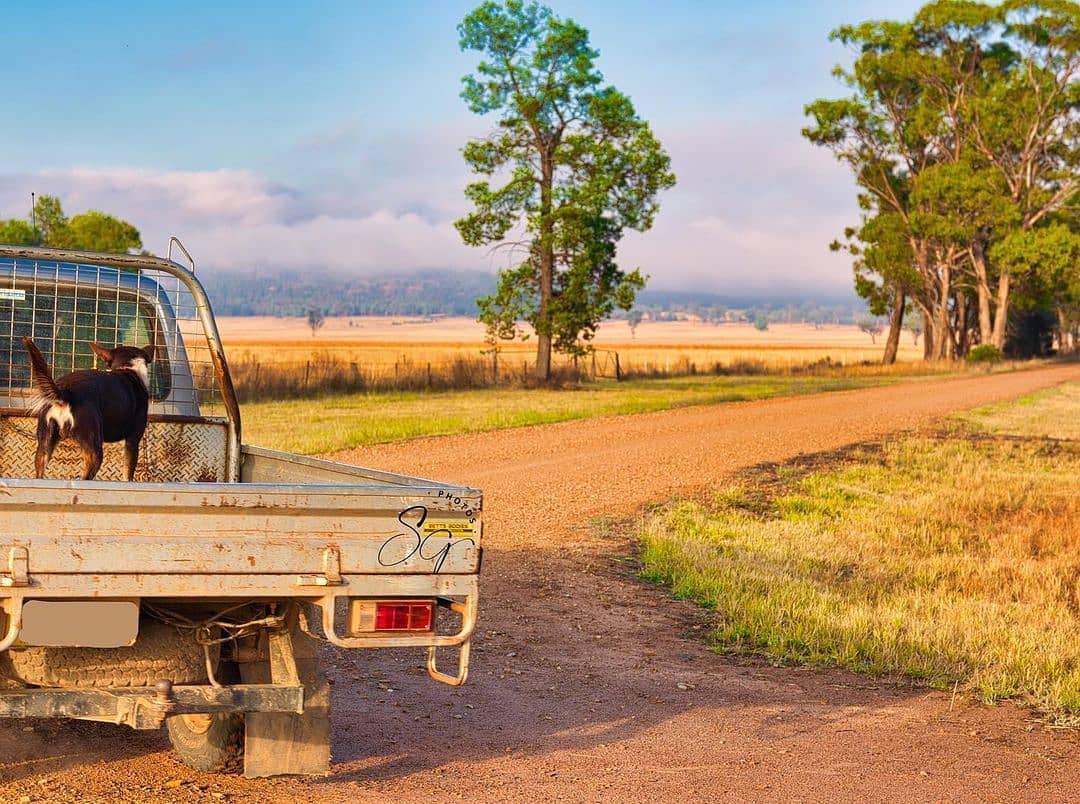
Rural Aid is warning a rapidly intensifying drought across New South Wales and southern and western Queensland is creating a “perfect storm” for farmers, with dry conditions now colliding with soaring fuel and fertiliser costs to place unprecedented pressure on farming businesses. With conditions expected to worsen under an emerging El Niño, many farmers are facing months without meaningful rainfall while costs continue to climb.
New modelling from the NSW Department of Primary Industries (DPI) shows drought conditions are expected to persist across the Riverina and Murray, while expanding across the Hunter, South East, North West and Northern Tablelands heading into winter.
With El Niño forecast to bring hotter, drier conditions, Rural Aid says many regions could face months without meaningful rainfall, placing enormous pressure on farming communities.
Drought by the numbers
The scale of the drought is already alarming:
- Around 45 per cent of New South Wales is currently classified as drought affected, according to the NSW Department of Primary Industries Combined Drought Indicator
- Large areas of NSW are experiencing rainfall deficiencies in the lowest 5–10 per cent of historical records, based on Bureau of Meteorology rainfall data used in DPI modelling
- Soil moisture conditions are extremely low across key cropping and grazing regions, with DPI indicators showing widespread “below average to extremely low” profiles limiting pasture and crop growth
- Reduced catchment inflows and falling on-farm water reserves are increasing pressure on already strained water security across drought-affected regions
Rural Aid CEO John Warlters said the data only tells part of the story.
“This drought is hitting hard. There’s no feed in the paddocks, very little moisture in the soil, and farmers are under real pressure just to keep going, with the outlook offering little relief,” Mr Warlters said.
Record livestock sell-offs and abandoned crops
The deteriorating seasonal conditions are forcing farmers into drastic action, with saleyards reporting record or near-record yardings of cattle and sheep across parts of NSW and Queensland.
“We are seeing a surge in livestock hitting the market as farmers are left with no choice but to reduce stock numbers,” Mr Warlters said.
“For many, this isn’t a business decision – it’s a survival decision.”
Rural Aid is also hearing from grain growers making the difficult call not to plant at all this season.
“We’re now hearing from farmers who have decided not to sow crops this year – and that’s a huge red flag,” Mr Warlters said. “Less planting now means less food coming through the system, and that eventually flows through to supermarket shelves.”
“High fertiliser costs and dry soils are both playing a major role, and when you add the poor rainfall outlook, farmers are being forced into really hard decisions about whether they can even go ahead and plant,” Mr Warlters said.
“When farmers are stepping back from planting, it’s a sign of real pressure in the system, and the effects flow through production, income and regional communities well beyond the farm gate,” Mr Warlters said.
Soaring fuel and fertiliser costs deepening the crisis
Rural Aid says the drought is being compounded by sharp rises in key farm inputs.
Fertiliser prices have risen sharply amid ongoing disruption to global supply chains linked to the conflict in the Middle East and restricted shipping through the Strait of Hormuz. Urea, a key input for cropping, has moved from around $850 per tonne earlier in the season to above $1,300 per tonne in periods of tight supply.
Fuel costs also remain significantly elevated, increasing the cost of transporting feed, water and livestock
“Farmers are being squeezed from every direction – less rain, higher costs, and shrinking income,” Mr Warlters said.
“When you combine drought with rising fuel and fertiliser prices, it creates a perfect storm financially.”
In Dubbo in central west NSW, mixed cattle and cropping farmer Barry Wheeler says the challenges facing farmers are mounting.
“It’s pressure from every direction at the moment,” Mr Wheeler said. “Diesel and fertiliser are still very expensive, and there’s just no let-up in the cost of running a farm.”
“Soil moisture is very poor, which makes dry seeding a real risk. You’re basically gambling on rain that isn’t showing up, and that’s a hard call to make when you’ve already got so much on the line.”
“Running stock is getting harder every week. There’s not enough feed in the paddocks, hay is expensive, and then you’ve got transport costs on top of that just to bring feed in.”
“Interest rates going up just adds another layer. Every part of the business is under pressure – inputs, feed, finance, everything.”
“One of these things on its own, you can usually manage. But when it’s all happening at once like this – drought, costs, interest rates – it makes farming feel almost impossible.”
Mental health concerns rising
Rural Aid says the human toll of the drought and compounding pressure of high costs, cannot be overlooked, with growing concern about the mental health impacts on farming families.
“Drought is not just an environmental or economic issue – it’s a human one,” Mr Warlters said.
“We are hearing from farmers who are exhausted, overwhelmed and under immense pressure. The mental health impacts of prolonged drought are very real and very serious.”
Rural Aid ready to support farmers
Rural Aid provides a range of practical and wellbeing support services for farmers at no cost, including:
- Financial assistance to help cover urgent or unexpected costs
- Counselling and mental health support for farmers and their families
- Emergency hay deliveries to support livestock
- Water deliveries for essential household use
- On-ground help through the Farm Army and Farm Recovery Event programs, assisting with clean-up and rebuilding
Farmers seeking support can call 1300 327 624 or visit www.ruralaid.org.au. Rural Aid is ready to help.
“No farmer should feel like they have to face this alone,” Mr Warlters said.
Australians urged to act
With conditions expected to worsen in coming months, Rural Aid is calling on Australians to support farmers in need.
“The drought is deepening, fuel and fertiliser prices aren’t easing, and these compounding challenges are taking an enormous toll on farmers. More than ever, Australians are being called on to stand by our farmers,” Mr Warlters said.
“Every donation helps Rural Aid deliver critical, on-the-ground assistance – whether that’s hay for livestock, domestic water for the family, or counselling support for a farmer who is facing difficult challenges.”
To show your support and donate today, visit www.ruralaid.org.au.
About Rural Aid:
Rural Aid is Australia’s leading charity supporting farmers, their families and rural communities. Rural Aid delivers practical assistance during drought, fire, flood and other disasters, helping farming families stay on the land and protect their livelihoods. Through disaster relief, mental health support and community development programs, Rural Aid works with partners, supporters and volunteers to strengthen rural communities and ensure farmers have the support they need to recover, rebuild and remain connected.
For media inquiries, please contact:
Daniel Brown
Media and Communications Officer
0447 116 757
daniel.brown@ruralaid.org.au